Current Research
– NOAA CCME-II Postdoctoral Research Associate, Martinez-Colon Foraminfera Laboratory & Richard Long Laboratory. NOAA Mentors: Drs. Emily Osborne & Beverly Barnett
Red Snapper (Lutjanus campechanus) – Gulf of Mexico
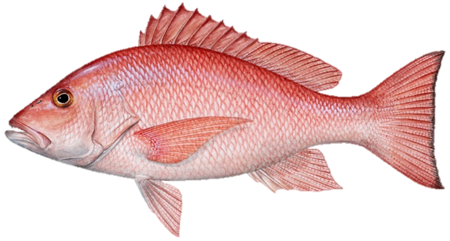
Red Snapper has a commercial and economic importance in the Gulf of Mexico. Historically, Red Snapper was overfished in the 80’s and 90s, but due to successful fisheries management, it is now considered not overfished. Red snapper occupy habitats between a depth of 30-620 feet and can be found along northern Gulf within natural and artificial reef habitats. The management of red snapper happens between state and federal governments between NOAA Fisheries and Gulf of Mexico Fisheries Aliance Council.
Recent stock assessment (SEDAR 74 Gulf of Mexico Red Snapper – SEDAR – SouthEast Data, Assessment, and Review)
Otolith Microchemistry of Red Snapper – Gulf of Mexico
Otoliths are CaCO3 structures in the inner ear of teleost fish that are used for sensory balance, hearing and navigation (Thomas & Swearer, 2019). Otoliths develop during the embryotic stage that portray annular markings within the otolith throughout a fish’s life cycle that can be used to determine age, habitat, migration, and diet. Ocean properties can be reflected in fish otolith geochemistry during the calcification process including the isotopic and elemental composition of fresh and sea-water properties, providing a time-stamp on elemental and isotopic signatures in the otolith. Therefore, analyzing the microchemistry of otoliths can support a better understanding of Red Snapper habitat and incorporate links to ocean variability into fisheries management in the region.

Taken from – (An approach to unraveling the coexistence of snappers (Lutjanidae) using otolith morphology | Scientia Marina)
Research Interest
OMZ & Hypoxic Zones
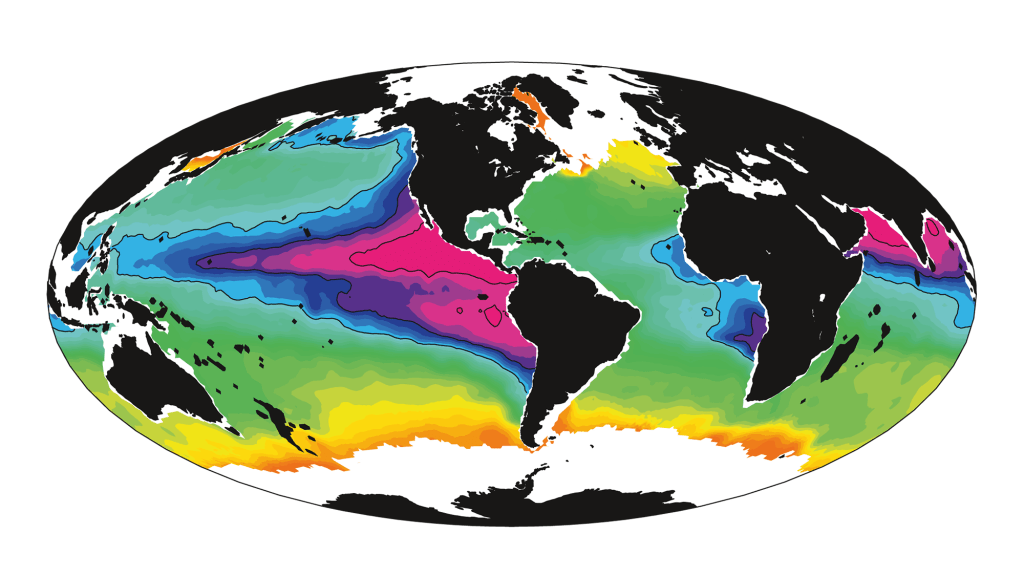
Ocean Biogeochemistry & Geomicrobiology
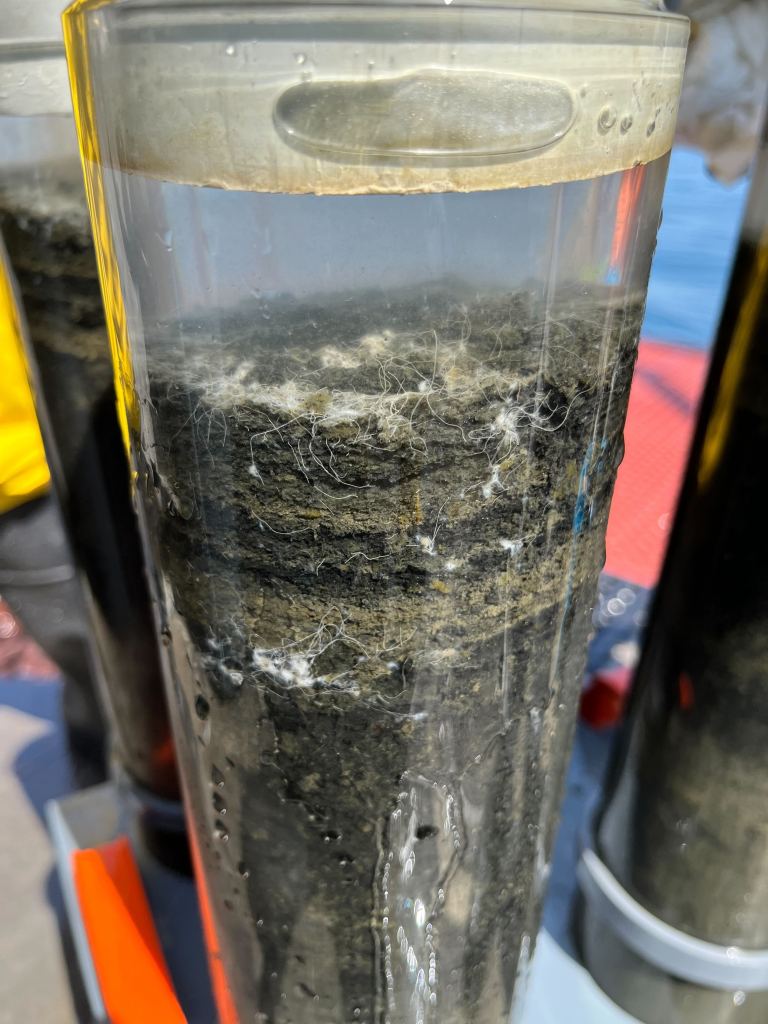
Ocean & Energy Policy

 De'Marcus Robinson PHD